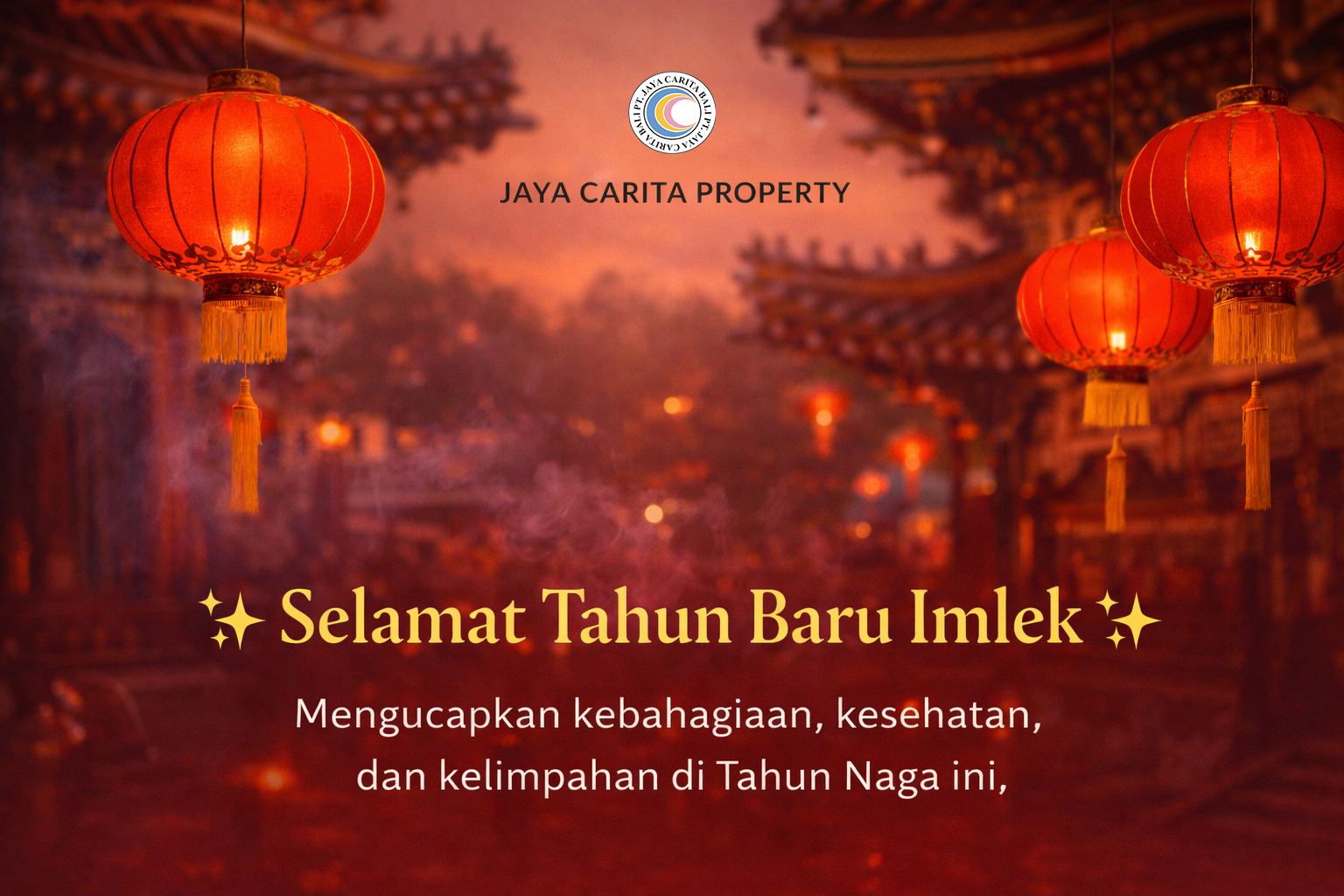
Chinese New Year in Bali: A Quiet Celebration with Deep Meaning
While Bali is best known for its Hindu traditions, Chinese New Year—also known as Lunar New Year—is quietly celebrated across the island each year, especially within Chinese-Indonesian communities.
Unlike the loud fireworks and crowded streets seen in major cities, Chinese New Year in Bali feels more reflective, respectful, and deeply personal. This calm atmosphere gives the celebration a unique character—one that blends cultural heritage with Bali’s naturally peaceful rhythm.
A Different Pace Compared to Mainland Celebrations
In places like Singapore, Hong Kong, or major cities in China, Chinese New Year often comes with large-scale parades, heavy traffic, and intense commercial activity.
In Bali, the celebration is more understated.
Many families choose to:
- attend temple prayers
- gather privately at home
- enjoy quiet meals with loved ones
- visit nearby temples early in the morning or late afternoon
This slower pace aligns naturally with Bali’s lifestyle, where balance and harmony are central values.
Temples and Areas Where Celebrations Are Felt
Chinese New Year celebrations in Bali are most visible around:
- Chinese temples (klenteng)
- certain urban areas such as Denpasar and Singaraja
- neighborhoods with long-established Chinese-Indonesian communities
Temples are often decorated with red lanterns, incense fills the air, and prayers are offered for prosperity, health, and harmony in the year ahead.
The atmosphere remains respectful and calm, with minimal disruption to daily life around it.
How Locals Observe the Holiday
For many Chinese-Indonesian families in Bali, Chinese New Year is less about public celebration and more about intention.
Common practices include:
- temple visits for prayers and offerings
- family reunions
- symbolic meals representing luck and abundance
- cleaning and preparing homes before the new year begins
Rather than loud festivities, the focus is placed on gratitude, reflection, and starting the year with clarity.
What Visitors Should Know
For visitors and foreigners living in Bali, Chinese New Year may pass quietly without much notice—but that’s part of its charm.
There are usually:
- no major road closures
- no large public events
- minimal impact on businesses and travel
However, visitors may notice:
- temples appearing busier than usual
- red decorations in certain areas
- a slightly calmer rhythm in some neighborhoods
Respectful observation is always appreciated, especially around temples.
Why This Matters for Bali’s Cultural Identity
Bali’s ability to accommodate and respect multiple cultures is part of what makes the island unique.
Chinese New Year in Bali reflects:
- coexistence between traditions
- mutual respect across cultures
- a shared value of harmony over spectacle
Rather than standing apart, the celebration blends quietly into Bali’s cultural landscape—adding depth without overpowering existing traditions.
A Celebration That Matches Bali’s Soul
Chinese New Year in Bali may not be loud or highly visible, but it carries meaning.
It is a reminder that celebration doesn’t always need noise to be powerful—and that sometimes, the most meaningful beginnings happen in stillness.
For those living in Bali or visiting during this time, the holiday offers a gentle moment of pause, reflection, and renewed intention for the year ahead.